How Seasonal Changes in Salinas Increase the Need for Pest Control Services in 2026

Living in Salinas, CA, means dealing with one of the most active pest environments in California. Homeowners across the city are increasingly noticing seasonal spikes in the pests that show up inside their walls, yards, and garages. This article covers how seasonal and climate patterns drive residential pest pressure in Salinas in 2026, which pests are most responsible, and how pest control services can help protect your home.
What Pushes Pests Into Salinas Neighborhoods?
Pest pressure builds when seasonal changes disrupt outdoor habitats and force pests to find new shelter. Salinas's coastal climate, with its mild temperatures and heavy marine fog, keeps conditions favorable for pests nearly year-round, and shifting weather patterns push them toward the nearest reliable shelter.
The key trigger is disruption. When temperatures drop or outdoor conditions shift, rodents, gophers, and insects lose easy access to shelter and food sources and move toward the nearest reliable option. That's often a neighborhood home. North Salinas and East Salinas homeowners frequently report this kind of seasonal pest activity.
Moisture also plays a major role. Landscape irrigation and the region's marine fog keep soil moisture high in many yards, supporting large ant colonies and accelerating termite activity. The Salinas River corridor runs along the west side of the city and provides a natural movement pathway for rodent populations throughout the year.
Which Pests Are Most Common in Salinas Homes?
Residential pest pressure in Salinas typically centers on three main offenders: rodents, ants, and gophers.
Field Mice and Roof Rats
Field mice and roof rats are among the most frequent pests found in Salinas neighborhoods. During cooler months, these rodents seek out the warmth and shelter that homes provide in large numbers. Norway rats tend to move indoors in the fall, typically peaking around September and October. Roof rats are also common in older residential neighborhoods throughout the city.
Rodents cause serious property damage by chewing through wiring, insulation, and structural materials, and they carry health risks for families and pets. Sealing entry points around your foundation, roofline, and utility penetrations can help, but dedicated pest control services for rodent management are often the most effective long-term solution for Salinas homeowners.
Argentine Ants
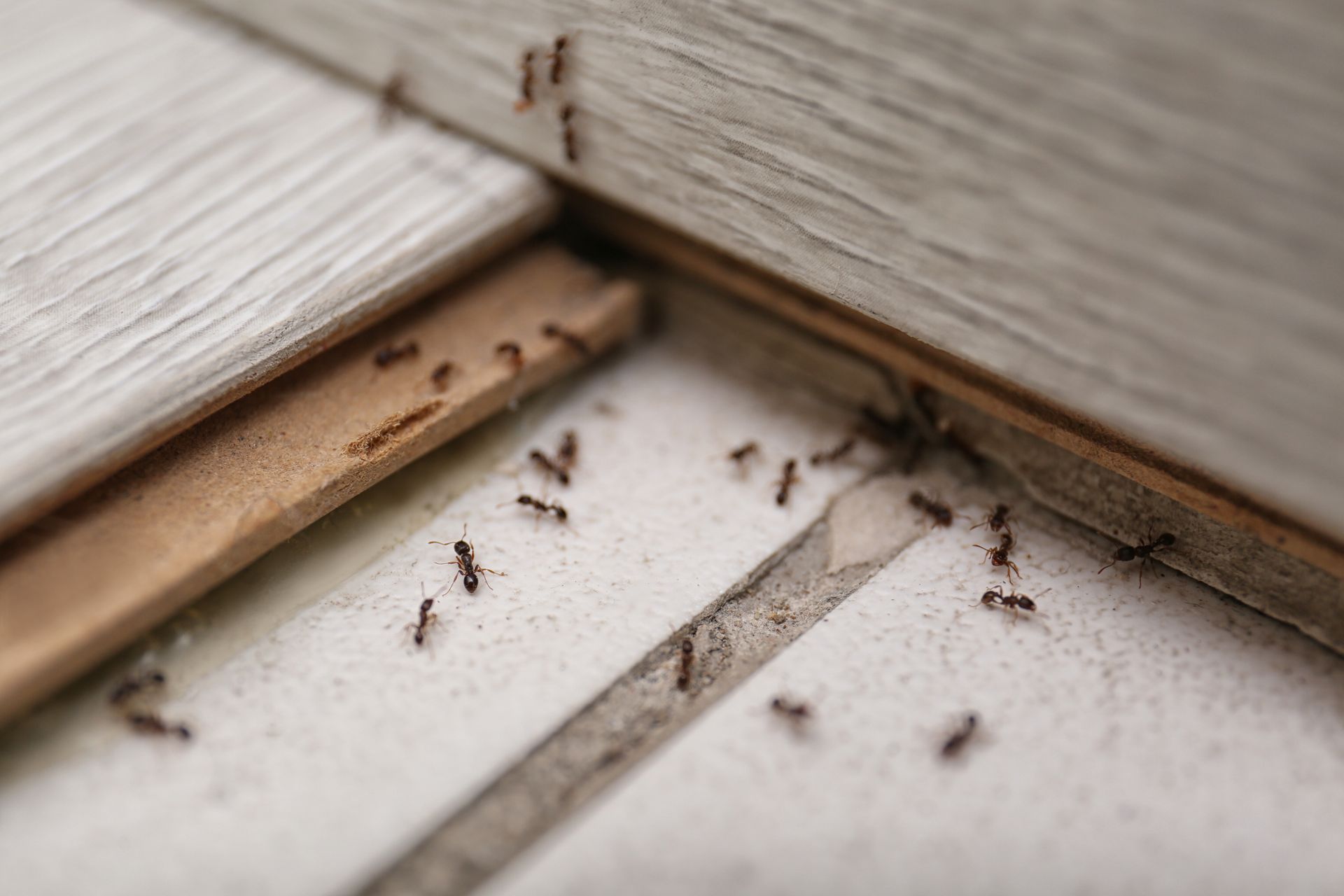
Argentine ants are the number-one pest call in Salinas. These ants form massive supercolonies with peak invasion pressure typically occurring in spring and fall. Landscape irrigation and the area's coastal moisture keep soil conditions favorable, which drives ants toward structures whenever outdoor food sources shift. The same colony that invaded last spring may return again as conditions change.
Pocket Gophers
Gophers follow irrigation patterns and plant root systems as they move through soil. Properties with well-maintained, irrigated landscaping tend to experience higher gopher pressure. A well-watered lawn with actively growing roots is more attractive to gophers than a dry yard, so irrigated lots often need ongoing pest control services to stay ahead of activity.
What Seasonal Patterns Should Salinas Homeowners Watch For?
Pest pressure in Monterey County follows a cycle tied closely to the region's seasonal and coastal climate patterns.
Spring brings peak Argentine ant invasions as rainfall triggers colony expansion. Subterranean termite swarms also tend to occur when warm, wet weather follows winter rains.
Summer and early fall bring drier outdoor conditions, when rodent activity in neighborhoods tends to spike. Homeowners in North and East Salinas may notice a sudden uptick in field mice during this window.
Fall and winter push rodents indoors as temperatures drop. The thick marine fog rolling in from Monterey Bay keeps soil moisture elevated, which supports termite activity in crawl spaces and older foundations.
How Can You Protect Your Home From Seasonal Pest Pressure?
Several practical steps can reduce the risk of pests entering your home. Keep firewood, debris piles, and compost bins at least 20 feet from the house. Seal gaps around pipes, vents, and the foundation. Trim vegetation away from exterior walls and the roofline to eliminate pest pathways. Fix dripping faucets and drainage issues near the foundation, since standing moisture attracts ants and termites. Store food in airtight containers and keep kitchen areas clean. Check your yard for gopher mounds along fence lines and irrigated garden beds.
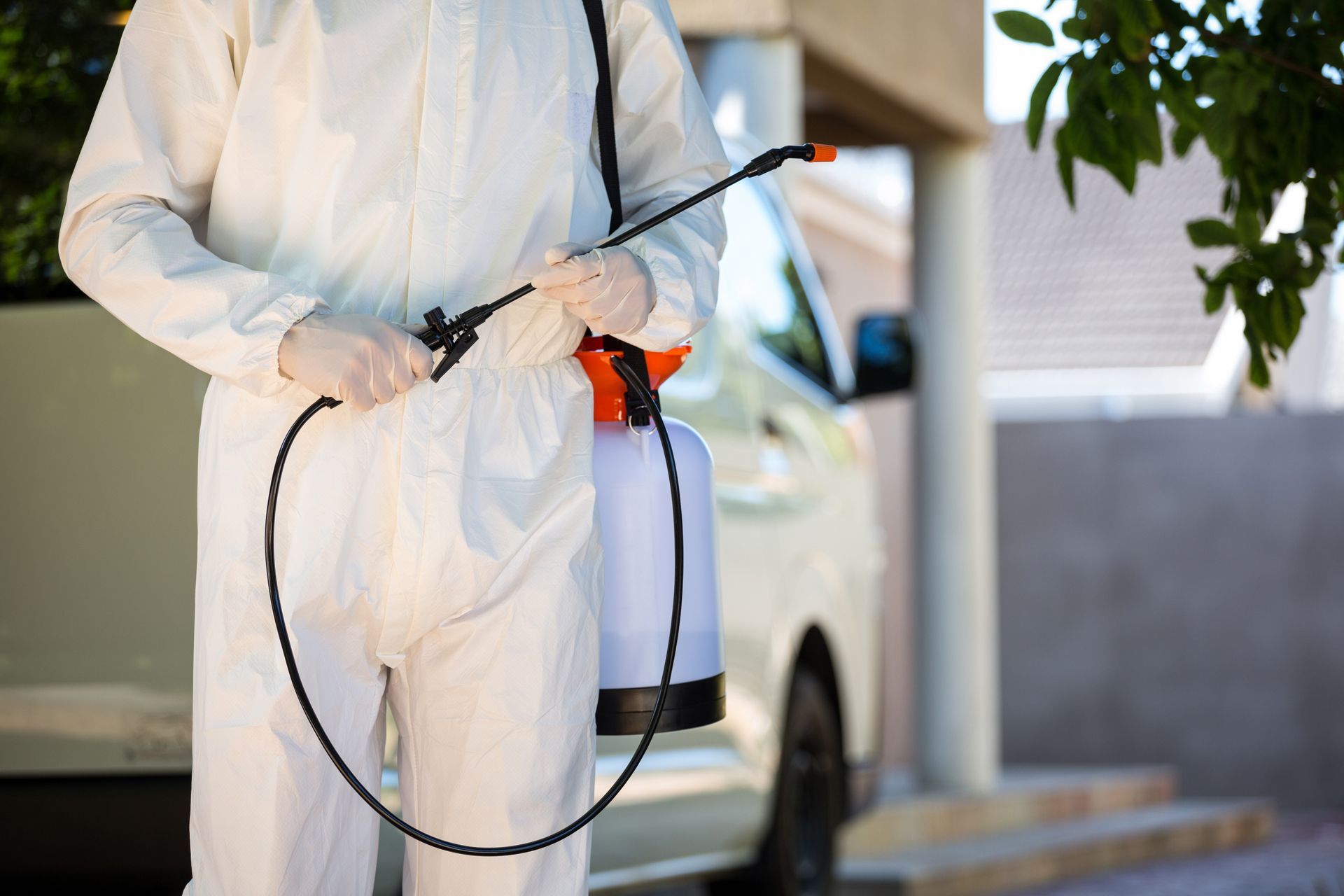
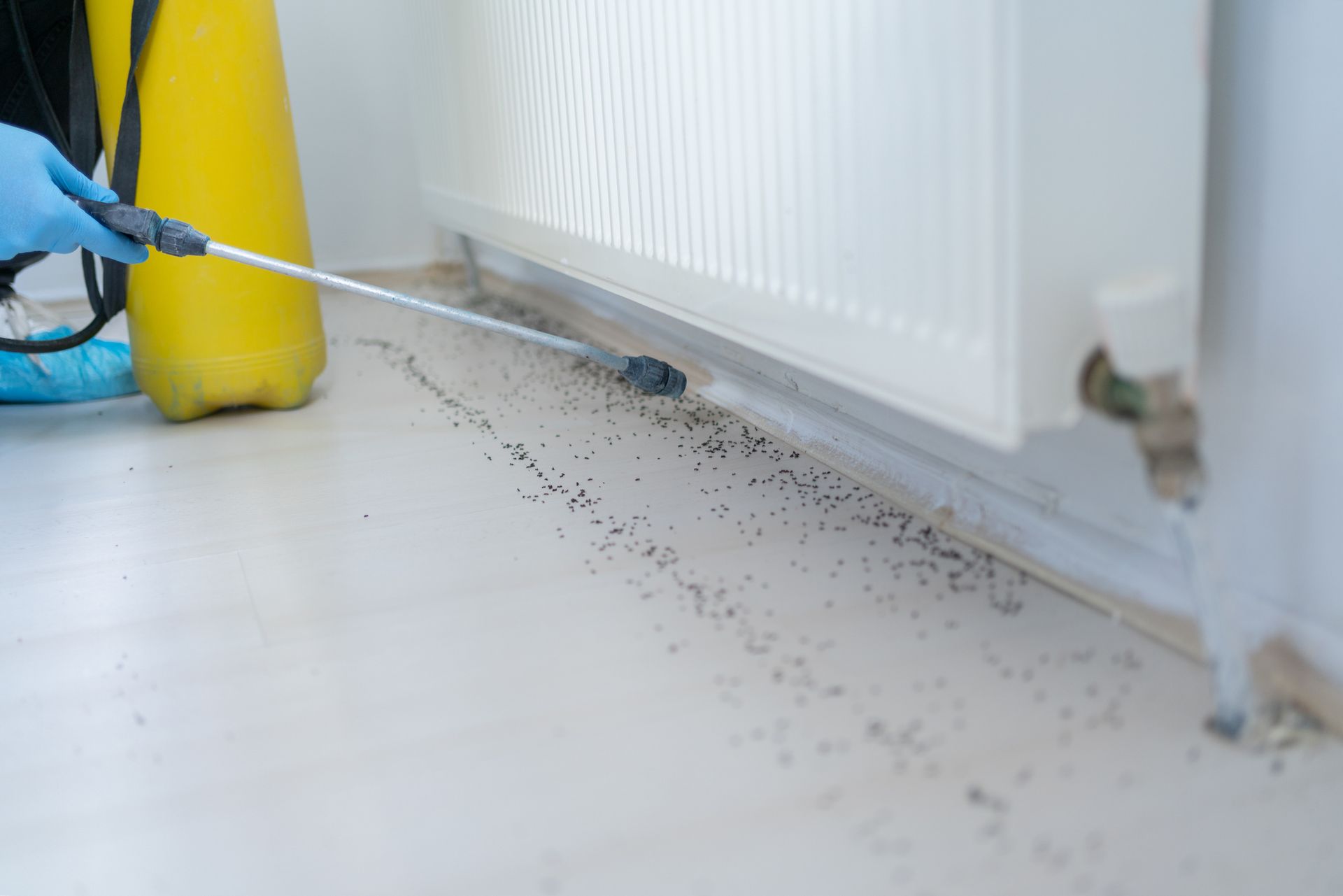
These steps reduce exposure, but many Salinas homes need more than basic prevention. High pest pressure can overwhelm DIY approaches, particularly during seasonal peaks when displacement events are sudden and large-scale, making professional pest control services the more reliable option.
When Should You Call a Professional?
A licensed professional can help when pest pressure is recurring, large-scale, or tied to the seasonal cycle. Many Salinas homes deal with the same infestations year after year because the source of pressure never goes away. A professional can identify entry points, apply targeted treatments, and set up ongoing programs aligned with Monterey County's seasonal pest patterns.
If you are seeing rodents inside your home, persistent ant trails that don't respond to store-bought bait, gopher mounds expanding toward your foundation, or signs of termite damage in your crawl space, a professional inspection is worth scheduling before the problem grows.
Monterey Bay Pest Control Inc. has been serving Monterey and Santa Cruz Counties since 1950, offering residential and commercial pest control services backed by decades of local experience. The team offers environmentally friendly, pet- and kid-safe treatment options suited to the seasonal pest dynamics of the Salinas area. To request a free estimate or learn more about available pest control services, call (831) 394-7378 today. You can also find and review Monterey Bay Pest Control Inc. on Google to see what local customers are saying.